Storm damage rarely comes from a single failure point — it's often wind-driven rain finding its way through a compromised roof, a broken window, or siding gaps that a normal rainstorm would never exploit.
We trace wind-driven rain paths from the exterior entry point through to the interior damage, since storm water rarely travels in a straight line.

Storm-scale events get a storm-scale response, not the standard single-crew approach.
Stabilizing the exterior comes before interior cleanup, since new water keeps entering otherwise.
Tracing the full path prevents missing hidden pockets of storm water damage.
We format storm damage documentation specifically for the claim types insurers see during wide storm events.
Here's the full scope of a Turbeville storm water response.

We stabilize the exterior envelope first, before any interior cleanup begins.
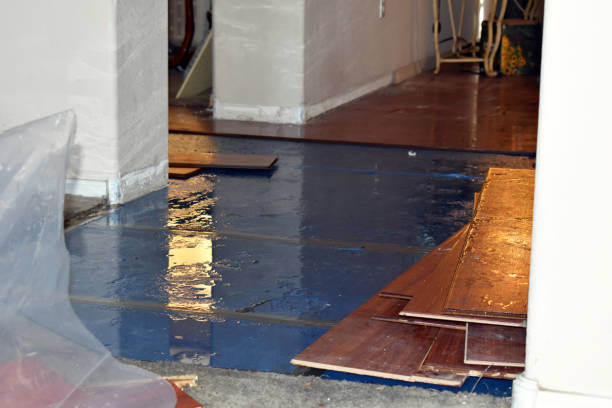
Tracing the full intrusion path catches hidden damage a surface inspection would miss.
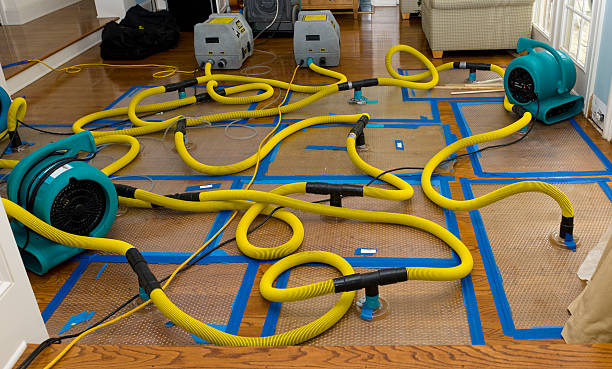
Extraction scales to the volume typical of a storm event, not a small contained leak.
Connecting exterior cause to interior effect shapes a more complete repair scope.
We scale crew size to match the storm event, not a standard single-technician response.
Documentation is formatted specifically for storm-related claims, including exterior damage photos and intrusion tracing notes.
A quick call helps us understand whether roof breach or window damage needs immediate stabilization.
Multiple technicians may arrive together depending on the reported scope.
You'll see the connected exterior-to-interior scope before restoration begins.
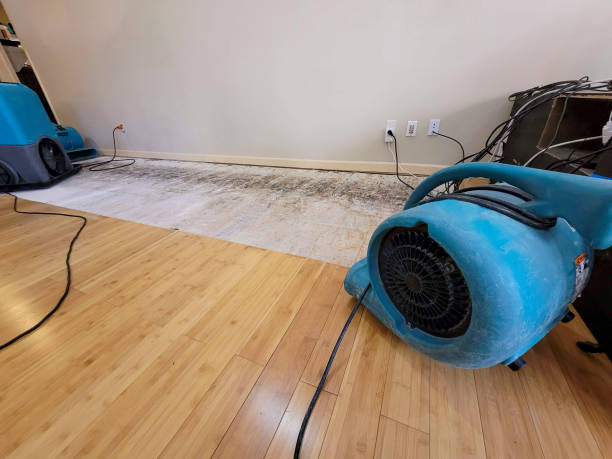
The job isn't closed until both stabilization and drying are fully verified.

"Our roof took damage in a bad storm and they had a tarp up within hours, before the next round of rain even hit." — Curtis N.
"They traced the water damage to a spot on the second floor even though the actual roof breach was on the opposite side of the house." — Gabriela O.
"With the whole neighborhood affected by the same storm, I expected a long wait, but they had multiple crews out fast." — Terrence Y.
Emergency tarping is typically our first priority and can often happen the same day the storm passes.
Surge capacity means we scale up crew numbers rather than working one property at a time.
Tracing water paths often reveals damage in areas not obviously connected to the visible breach.
We handle emergency tarping and water damage restoration; permanent roof repair is typically coordinated with a roofing contractor.
Most homeowner policies cover sudden storm damage, though coverage details vary — we document the loss for your claim either way.
Our Turbeville, SC storm teams cover Turbeville and surrounding communities with surge capacity for wide storm events.

Call now and describe the storm damage to a real Turbeville, SC dispatcher.
Call +1-844-833-1325